



From military legends and sporting giants to intrepid explorers and fictional icons, we salute those figures who embody the spirit of our great nation
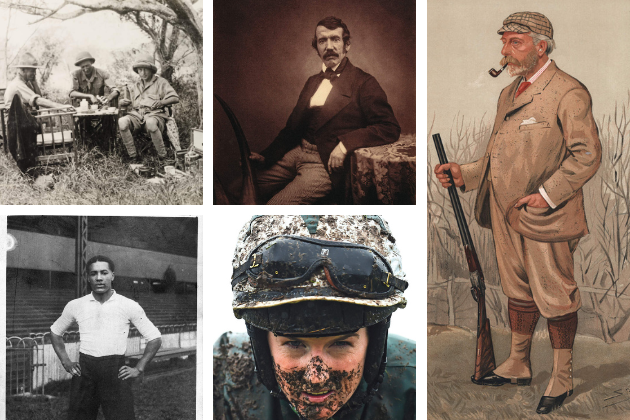
Captain Eric ‘Winkle’ Brown (1919-2016)
Born in Leith, ‘Winkle’ (on account of his diminutive stature) Brown’s passion for aviation was cemented at the 1936 Olympics in Berlin when a chance meeting with First World War flying aces Hermann Göring and Ernst Udet led to the latter taking the young Brown flying. Brown became the Royal Navy’s most decorated pilot, flew 487 different aircraft and made 2,407 deck landings at sea. Returning to Arbroath after test-flying an adapted ver sion of the Spitfire in the Second World War, he looped-the-loop spans of the Forth Bridge. Brown was the first person to land a jet aircraft on an aircraft carrier. Fluent in German, he interrogated German war criminals and helped found the European Helicopter Association.
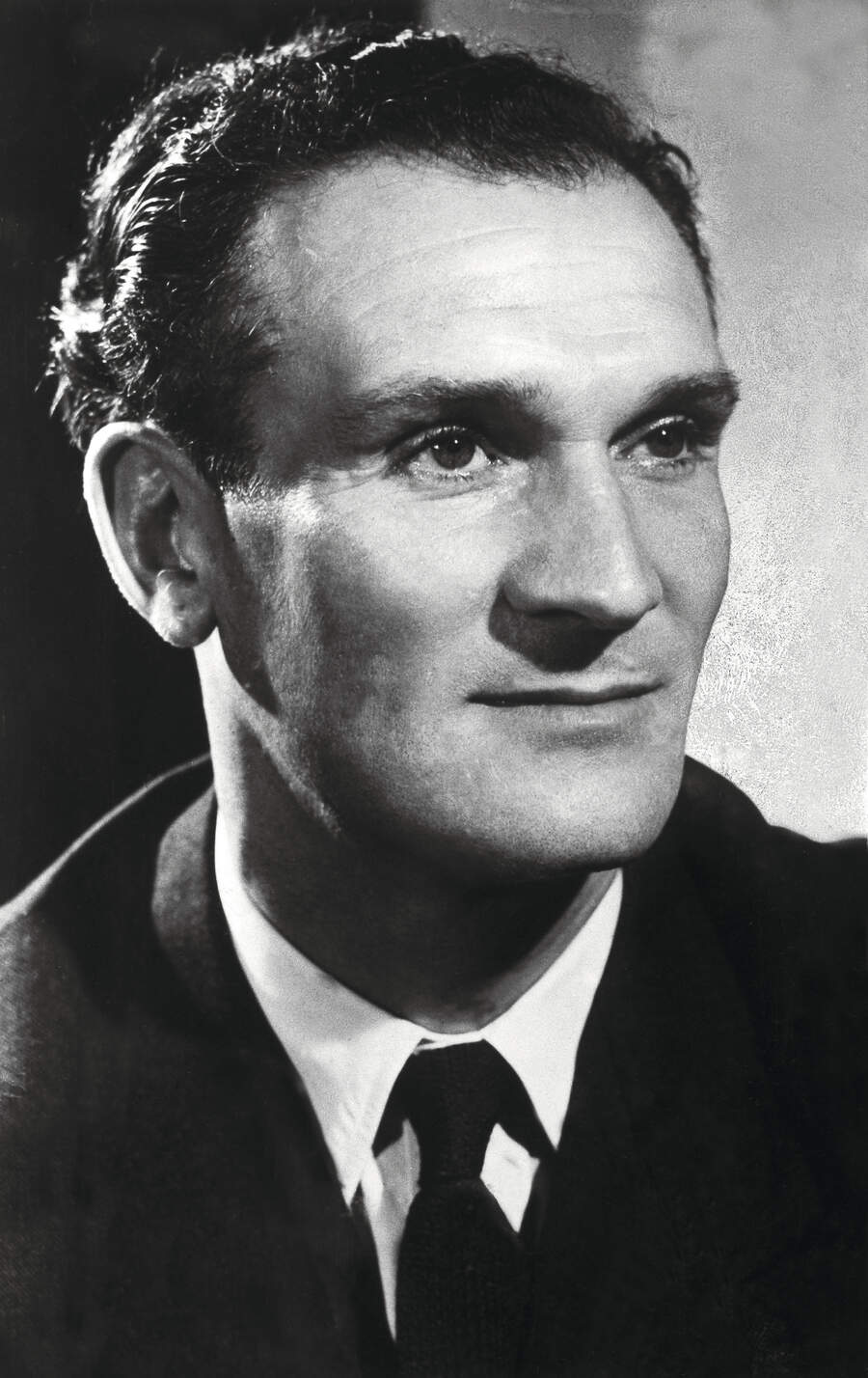
Eddie Chapman: Agent Zigzag (1914-1997)
Eddie Chapman: Agent Zigzag (1914-1997)
Chapman courted chaos and left a string of lovers wherever he went. As Agent Zigzag, he was one of the most successful double agents of the Second World War. Dishonourably discharged from the Coldstream Guards for going AWOL, he became a criminal. Selfish, unscrupulous but never lacking bottle, Chapman was imprisoned in Jersey. After its occupation he offered to spy for the Germans. Trained in intelligence and explosives by the Abwehr, he was parachuted back into Britain, and promptly gave himself up. Working with the British, he managed to feed Germany damaging misinformation, and major acts of industrial sabotage were faked to gain credibility. So complete was his deception that the Germans awarded him the Iron Cross.
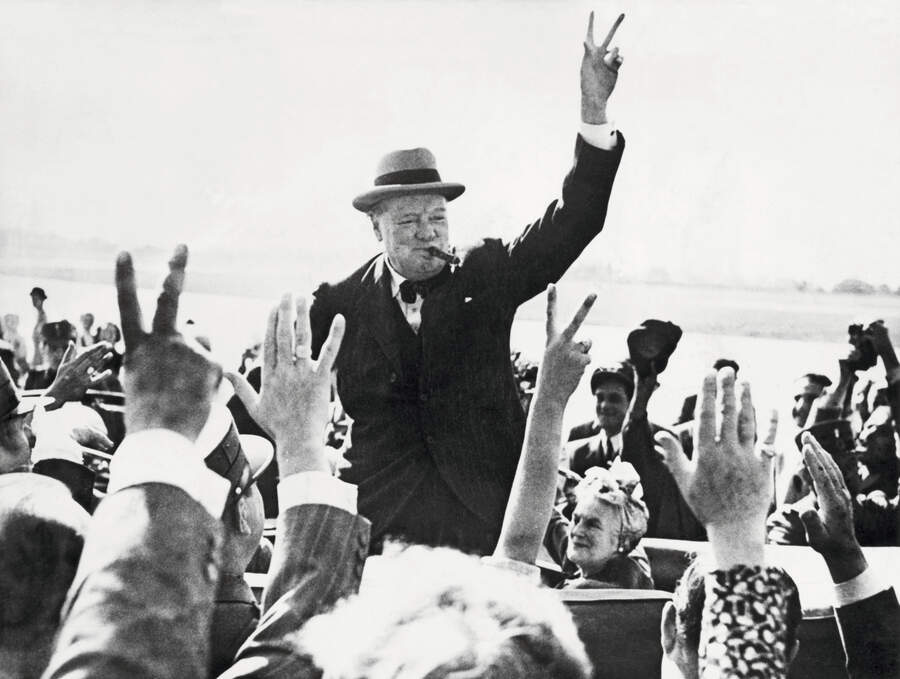
Sir Winston Churchill (1874-1965)
Sir Winston Churchill (1874-1965)
A rousing orator, keen sportsman and timeless symbol of British resolve. Our acerbic wartime Prime Minister is synony-mous with unwavering resilience in the face of the enemy. One of the greats. (Read about the guns of Sir Winston Churchill.)
Lieutenant Colonel Herbert ‘Blondie’ Hasler (1914-1987)
This magnificently moustachioed marine orchestrated Operation Frankton, leading the ‘cockleshell heroes’ in their daring canoe raid down the Gironde to blow up Axis ships at Bordeaux, before escaping unsupported cross-country to Spain.
Lieutenant Colonel TE Lawrence (1888-1935)
Known for his part in the Arab Revolt against the Ottoman Empire, his adoption of local Arab dress and his evocative writing, ‘Lawrence of Arabia’ was a champion of Arab independence. His piercing blue eyes and penchant for fast motorcycles make obvious hero material.
Lieutenant Colonel Robert Blair ‘Paddy’ Mayne (1915-1955)
During the Second World War Mayne was notable for leading some of the most audacious enemy raids in British military history. He was a founding member of the SAS, an amateur boxing champion, a qualified lawyer and even played rugby for Ireland and the British & Irish Lions.
Vice-Admiral Horatio Lord Nelson (1758-1805)
This single-armed sailor’s tactical acumen and bravery are woven into our historic fabric. Responsible for some of our greatest victories, he added roundly to the heroic lexicon with that stirring signal flown on 21 October 1805: ‘England expects that every man will do his duty.’ Epic on all fronts.
Florence Nightingale (1820-1910)
The mother of modern nursing. ‘The lady with the Lamp’ is celebrated for her work during the Crimean War. She drove changes in healthcare, vastly improving hygiene standards and enacting social re-form. A friend of Queen Victoria, and the first woman to receive the Order of Merit.
Arthur Wellesley, 1st Duke of Wellington (1769-1852)
The author of Napoleon’s final downfall at Waterloo, the ‘Iron Duke’ served twice as Prime Minister and gave his name to a legendary boot. One of Britain’s most acclaimed subjects, more than 50 pubs bear his moniker.
Simon Weston
A symbol of courage and recovery, Weston was serving in the Welsh Guards aboard the Sir Galahad when it was destroyed by the Argentinians during the Falklands War. Despite receiving burns to 46% of his body he has devoted his life to helping others, subsequently receiving an OBE and CBE for his charitable endeavours.
EXPLORERS
Gertrude Bell (1868-1926)
“Born too gifted” according to her friend TE Lawrence, Bell spent time as a political administrator, archaeologist, mountaineer, writer, explorer and spy. She was awarded a first-class honours degree in Modern History from Lady Margaret Hall, Oxford and spoke six languages, including Arabic and Farsi. Dubbed ‘Daughter of the Desert’ by the Arabian people during her bold solo exploration of the Middle East, Bell was the only female political officer in the British forces during the First World War and instrumental in setting up the modern state of Iraq. She helped to install King Faisal I, serving as his adviser and later director of antiquities. Bell lived with great style and no consideration for gender restrictions.
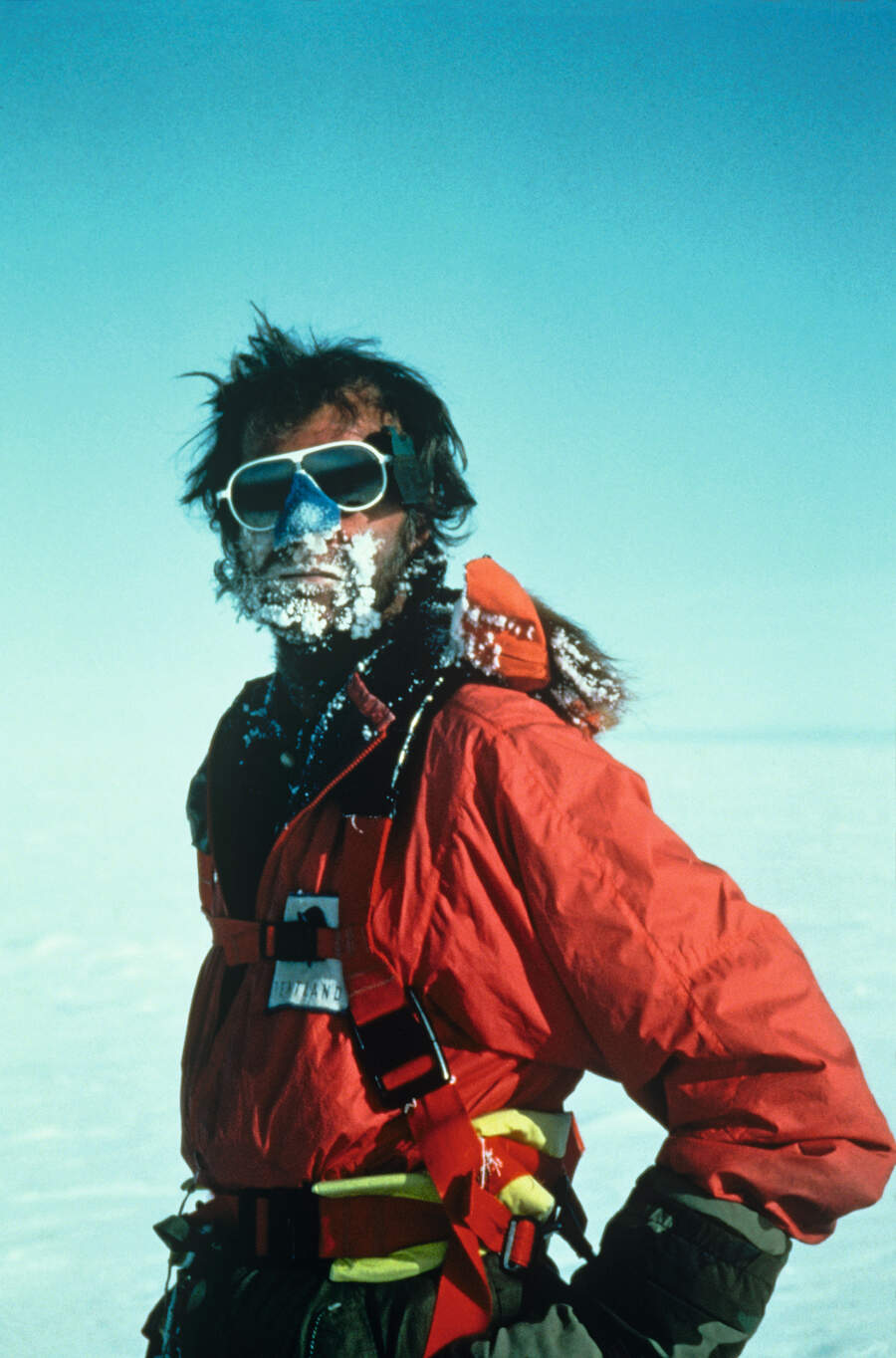
Sir Ranulph Fiennes
Sir Ranulph Fiennes
Britain’s greatest living explorer holds numerous endurance records, has reached both North and South Poles and climbed Everest as well as getting kicked out of the SAS for being too mischievous. Famous for cutting off his own frostbitten fingers with a hacksaw, Sir Ranulph is the ultimate cool customer.
Amy Johnson (1903-1941)
A fearless aviator who held multiple flying records, looked impossibly debonair in a bomber jacket and flew for Air Transport auxiliary during the Second World War. She ran out of fuel over the Thames Estuary and despite successfully bailing out of her craft by parachute, her body was never recovered.
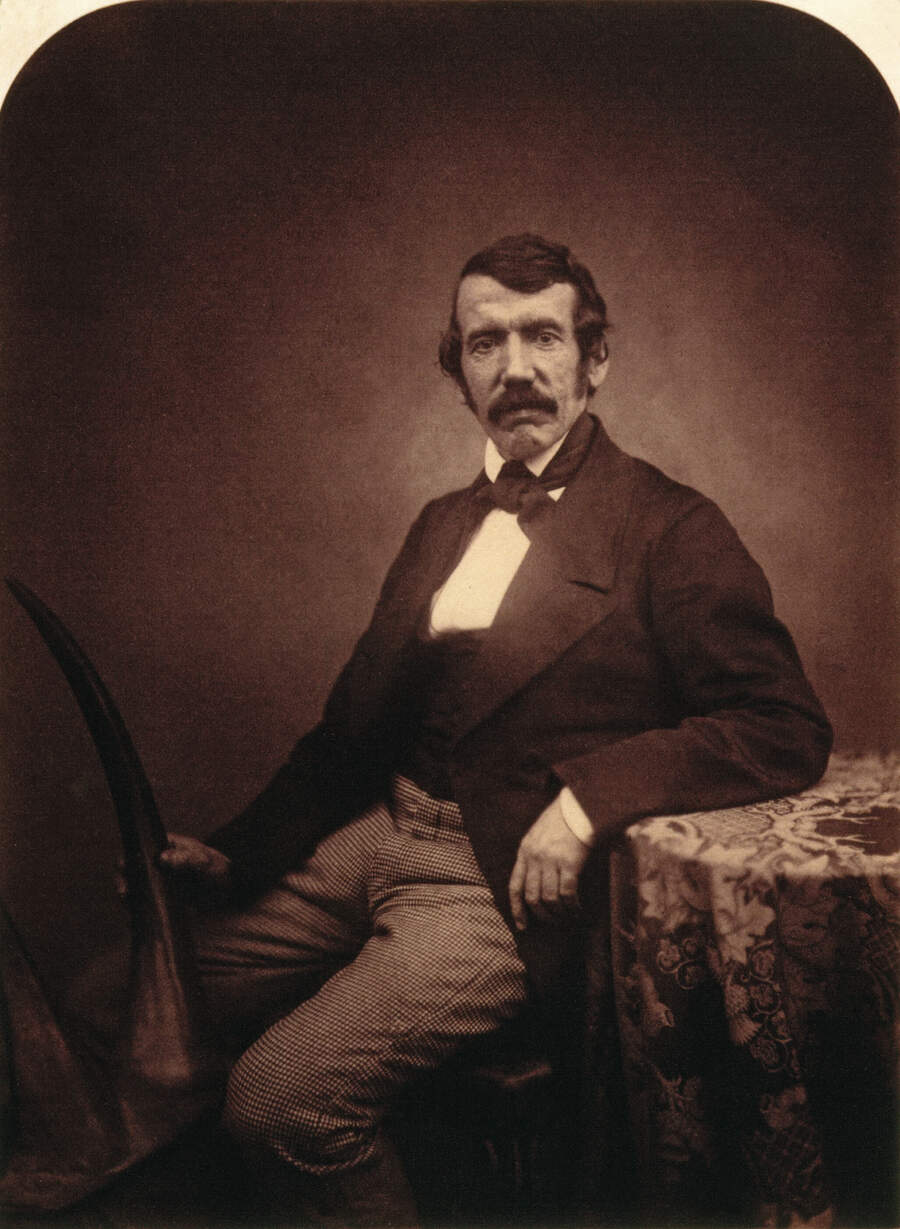
David Livingstone (1813-1873)
David Livingstone (1813-1873)
Born in a tenement on the Clyde, Livingstone worked in a cotton mill from the age of 10 before training as a medical doctor and a missionary. Sent to Africa, he was the first European to see the Victoria Falls, cross the African continent and map much of the Zambezi river.
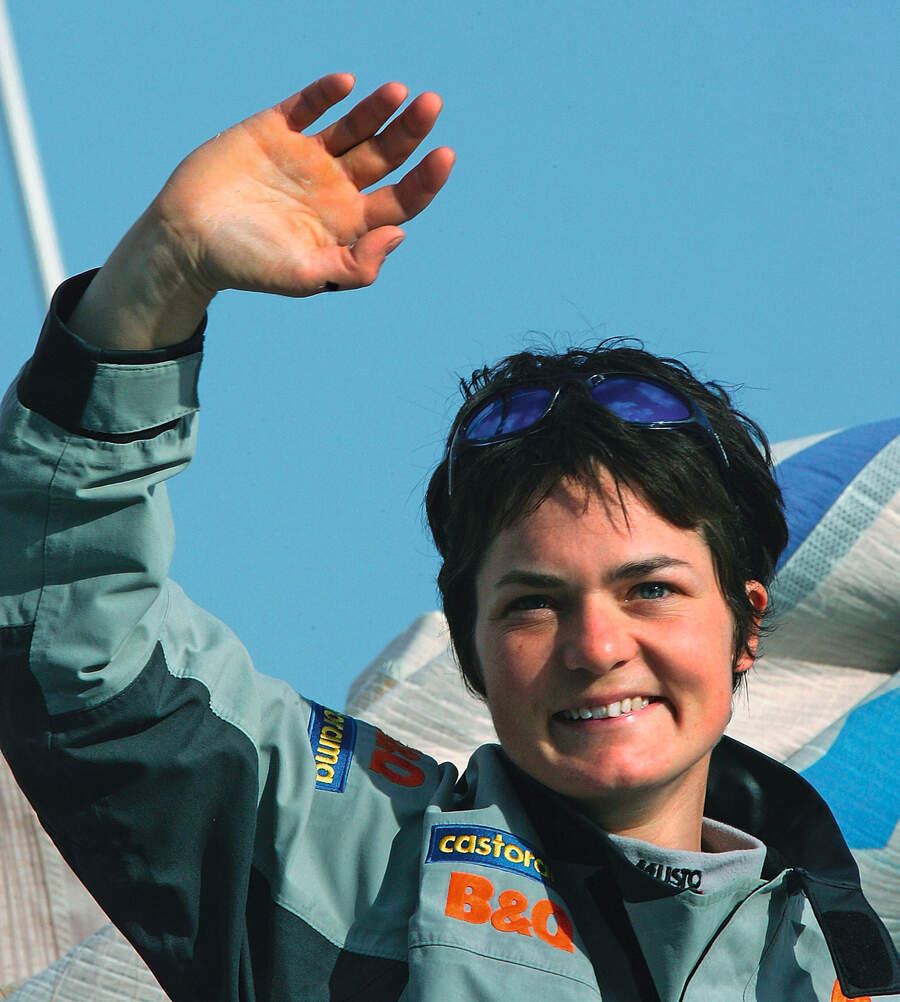
Dame Ellen MacArthur
Dame Ellen MacArthur
Endurance athlete and master of the high seas, MacArthur has held a raft of sailing records – including the solo round-the-world record, which she broke in 2005 with a time of 71 days and 14 hours.
George Mallory (1886-1924)
A front runner in the race to conquer the world’s tallest mountain “because it’s there”, Mallory also fought at the Battle of the Somme. He was part of three expeditions to the Himalayas and was lost with climbing partner Andrew Irvine in 1924. For 75 years their fate was unknown. Mallory’s body was found near Everest’s summit in 1999.
Captain Robert Falcon Scott (1868-1912) and Captain Lawrence Oates (1880-1912)
Both members of the ill-fated Terra Nova expedition, these Antarctic explorers are often used as an example of British pluck and chivalry in the face of extreme adver-sity. Oates’ final words – “I am just going outside, and may be some time” – have become legendary.
Sir Ernest Shackleton (1874-1922)
A prominent figure in the ‘Heroic Age of Antarctic Exploration’, Shackleton personified polar adventure. His ship Endurance was crushed by ice, forcing an 800-mile journey across the Southern Ocean in a 22-foot open lifeboat. All hands survived to be rescued in August 1916.
Helen Sharman
Sharman was working as a chemist for confectionery company Mars when she beat 3,000 other applicants to become the first Brit in space in 1991. Selected to undertake 18 months of intensive cos-monaut training in Russia prior to her flight, she spent eight days on the Mir space station before returning to Earth.
Major Sir Wilfred Thesiger (1910-2003)
Thesiger, an explorer and soldier, was born in Addis Ababa, Ethiopia where his father was the British consul general. Earning a boxing blue and a third while at Oxford, Thesiger served with the Sudan Political Service and helped organise Abyssynian resistance to the occupying Italians during the Second World War. He joined the recently formed SAS and Special Operations Executive. Securing an extraordinary post-war role in southern Arabia searching for the breeding grounds of locusts, Thesiger made iconic journeys across the ‘Empty Quarter’ by camel, regularly becoming involved in tribal skirmishes. Next came years among the Marsh Arabs of the Tigris and Euphrates with Gavin Maxwell, documenting their culture and providing medical services.
SPORTING
Rachael Blackmore
Blackmore won the Grand National, Cheltenham Gold Cup and was the leading jockey at the Cheltenham Festival (the first woman to achieve all three feats) before retiring on a tally of 575 career wins.
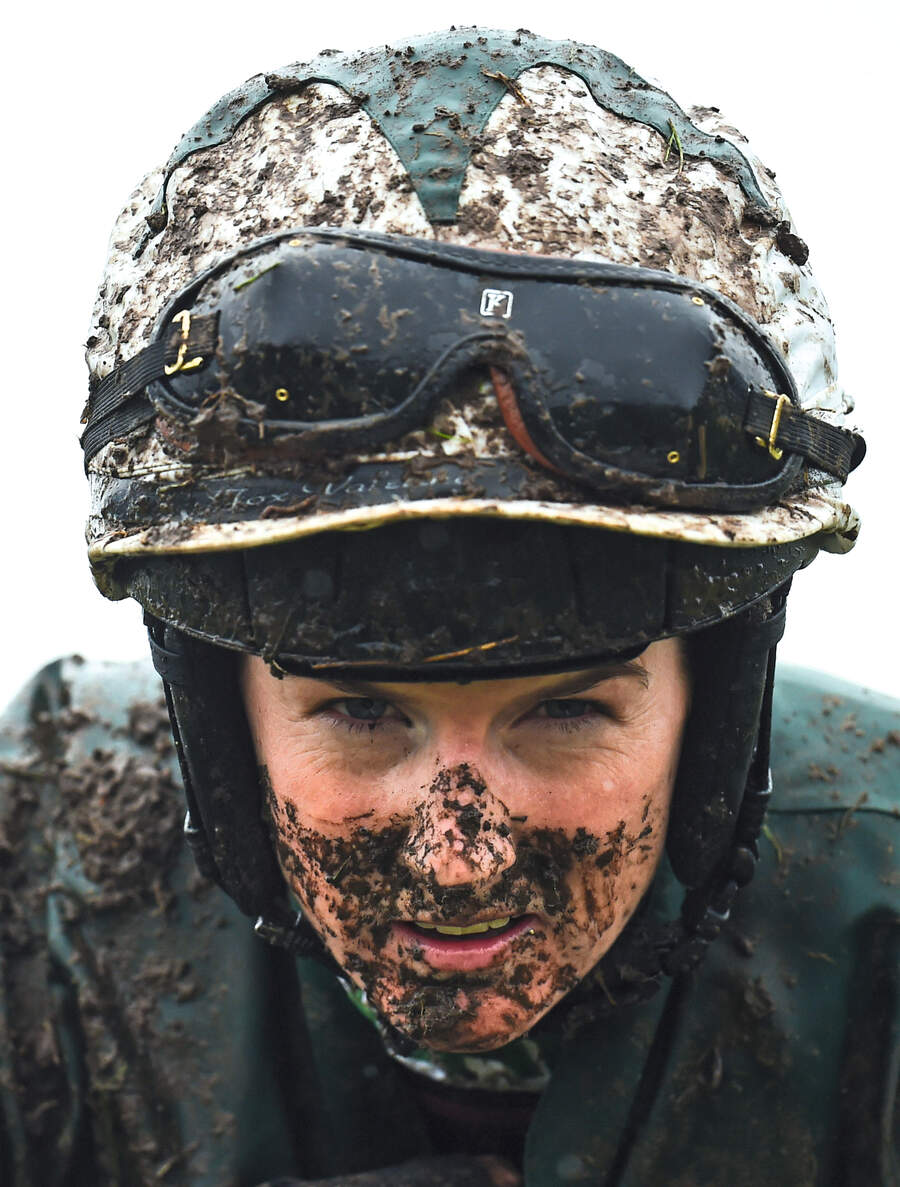
Rachel Blackmore
Sir Malcolm (1885-1948) and Donald Campbell (1921-1967)
The Field’s motoring editor and his son, with a series of vehicles named ‘Blue-bird’, captured the public’s imagination with their heroics in the name of breaking numerous land and water speed records.
George Digweed
It isn’t just clays that George Digweed has smashed with aplomb but records. The competitive shooter (and also keen game shot) holds the most championship titles in the history of any sport.
WG Grace (1848-1915)
During his cricketing career (1865-1908) WG Grace pioneered the ‘modern’ batting technique. With a professional tally of 54,211 runs and 2,809 wickets, he is con-sidered the sport’s first ‘superstar’. Not just a cricketing all-rounder, in 1866 Grace hit 224 not out for the Gentlemen of England against Surrey at The Oval before travelling directly to Crystal Palace where he won the 440-yard hurdles. He was also the first captain of the England bowls team.
Baroness Grey-Thompson
A haul of 16 Paralympic medals, including 11 gold, makes Tanni Grey-Thompson (now a politician and well-known campaigner) one of Britain’s greatest athletes.
Martin Johnson
Johnson is considered one of the finest captains in rugby union’s history. The lock not only skippered the British & Irish Lions on two tours but led England to victory in the 2003 Rugby World Cup.
Sir Matthew Pinsent and Sir Steve Redgrave
Two towering – quite literally – figures of British sport who both admit the desire to prove themselves the best rower in the boat drove them to greater success. This came in the form of multiple Olympic titles and a golden era for British rowing.
Nick Skelton
When it comes to sheer guts and determination, showjumper Nick Skelton tops the podium. Most notable of his Olympic medals are the golds of London and Rio, won (aged 54 and 58) after coming out of retirement having broken his neck in 2000.
Sir Jackie Stewart
Brilliance, bravery and charisma are common traits of successful racing drivers but being known as the ‘good guy’ of Formula One marks out Jackie Stewart. While amassing three world driving titles (1969, 1971, 1973) and a then record 27 Grand Prix wins, ‘The Flying Scot’ campaigned tirelessly for safety improvements thought to have saved countless lives. Less well known is that he credits shooting with changing the course of his life, having struggled with undiagnosed dyslexia at school. As well as retaining his passion for shooting, in retirement Sir Jackie has been no less energetic raising awareness and money for a host of causes, most recently Race Against Dementia, inspired by his wife Helen. (Read our interview with Sir Jackie Stewart.)
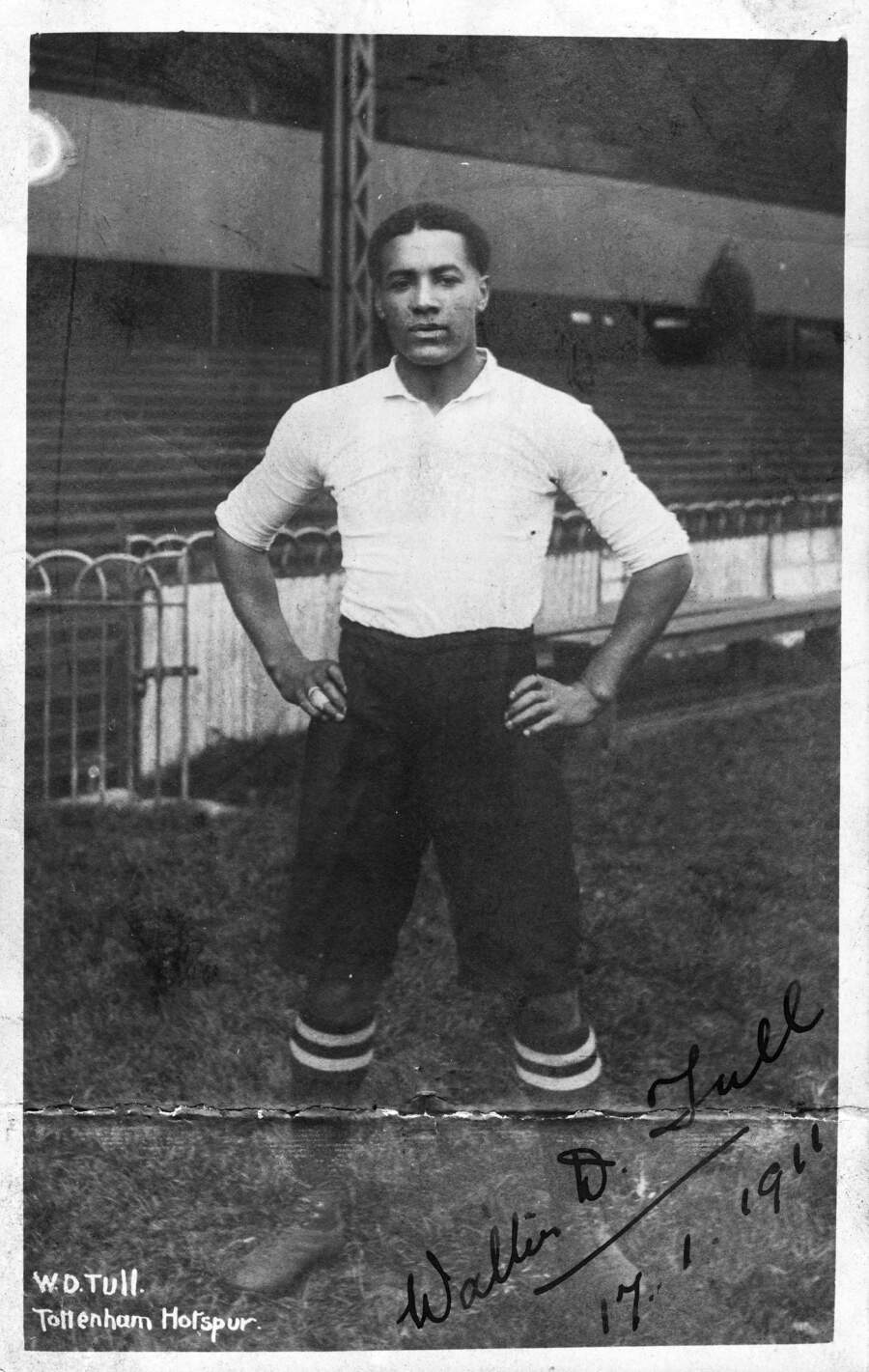
2nd Lieutenant Walter Tull (1888-1918)
2nd Lieutenant Walter Tull (1888-1918)
A professional footballer, Tull was praised for his coolness and gallantry during the First World War. He was swiftly promoted, and became an officer at a time when only white, British-born men could receive officer training. He was killed in 1918 and his body never found.
FIELDSPORTS
John Buchan, Lord Tweedsmuir (1875-1940)
Author of countless tales of derring-do and adventure (everyone has a favourite: The Field’s are John Macnab and The Three Hostages), Buchan was a Scottish author, politician, sportsman and statesman – he was appointed as governor general of Canada in 1935. One of the all-round greats.
Major Archie Coats (1916-1989)
Top-drawer pigeon shot. ‘Imperturbable, hard-working and with an eye for the smallest detail,’ recalls The Field in 1960. Coats put professional pigeon shooting on the sporting map with both his unerring skill and the 1963 book Pigeon Shooting. His 1962 record bag of 550 stood unbeaten for many years. Coats was a modest man and mentor to many, including modern pigeon wizard Will Garfit.
Jim Corbett (1875-1955)
Born in India in 1875, Jim Corbett was a legendary hunter of man-eaters, including the Champawat Tigress and the Leopard of Panar – the latter claimed 400 victims to its paws. With a deep-seated respect and understanding for the big cats he hunted, and the people among whom he lived, he was an ace tracker, exceptional shot and steeped in jungle lore. He was integral to the foundation of the first Indian National Park in 1936 that was named in his hon-our in the 1950s: the first tiger reserve in the country and still home to Bengal tigers today. Corbett wrote several books, and the bestselling Man-Eaters of Kumaon roars with authenticity. Read it, and make sure you buy a copy with the Raymond Sheppard illustrations.
FM Halford (1884-1914)
The father of dry-fly fishing perfected the art of upstream fishing, and by doing so made fishing into the sport it is today. One of the founding members of the Flyfishers’ Club and a piscine pioneer.
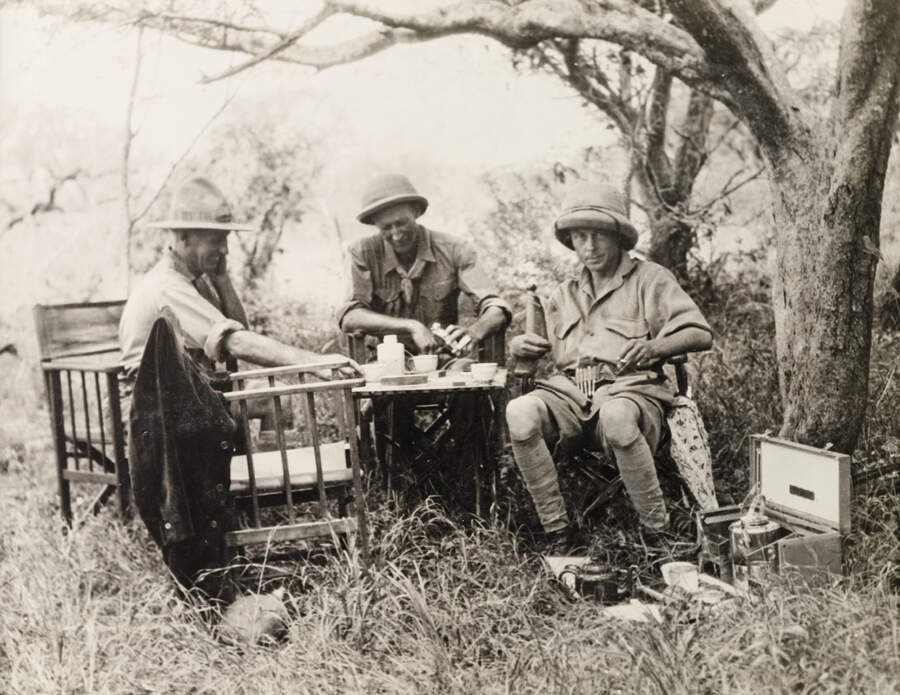
Denys Finch Hatton took the future Edward VIII on safari
Denys Finch Hatton (1887-1931)
This romantic big-game hunter and Old Etonian won the Military Cross in the First World War before his time in Africa, where he took the future Edward VIII on safari in 1928. He died in 1931 when his yellow Gipsy Moth crashed. Immortalised by his lover Karen Blixen in her 1937 book Out of Africa, and by Robert Redford on screen. (Read our feature on Denys Finch Hatton.)
Sir Ralph Payne-Gallwey (1848-1916)
Arbiter of the best shots of the late 19th century, this ballistics expert showed that a 40-yard pheasant was killable and how much lead one needed for a 40mph bird (seven feet). He was a prolific sportsman and author: his Letters to Young Shooters has twice been updated for a modern audience, including most recently by The Field’s Sir Johnny Scott.
Sir Johnny Scott
Our very own modern sporting hero, Sir Johnny’s enthusiasm for and knowledge of the countryside knows no bounds. His ability to amuse and inform has delighted television audiences, readers and friends as well as being used to support rural charities and communities.
Captain FC Selous (1851-1917)
An archetypal big-game hunter, inspiring Rider Haggard’s Quatermain, Selous was an adventurer who adored Africa and collected many of the specimens in the Natural History Museum. He enlisted at the age of 64, falling to a sniper’s bullet in East Africa three years later having been promoted to captain and awarded the Distinguished Service Order.
Robert Smith Surtees (1805-1864)
As the founding father of The Field in 1853, Surtees’ spot in the list is secure – even if he weren’t the progenitor of that most sporting and John Bull-like of hunting heroes, Jorrocks. Kipling, Sassoon and Thackeray were all fans of his work. He was born in 1805 in Co Durham, was articled to a solicitor and moved to London aged 17, where he started to hunt with the Surrey to alleviate the drudgery of law. It proved to be inspiring, and led to the creation of brilliant hunting characters that were to later populate his books – enabling him to abandon the law entirely at 23 for a literary career. The RS Surtees Society still celebrates his life and work and is worth supporting, whether it’s his books or barrelling across country after hounds that appeals most.
Captain Ronnie Wallace (1919-2002)
Huntsman and Master of Foxhounds whose influence when it comes to 20th-century hound breeding and hunting stands unsurpassed. From Master of the Eton, then Christ Church beagles to his days with the Heythrop and subsequently on Exmoor, hunting with the Captain was a lesson in the art of venery and organisation.
FICTIONAL HEROES
Jack Aubrey
Patrick O’Brian’s nautically accurate 20- volume series is defined by Aubrey’s charismatic character and friendship with ship’s surgeon Stephen Maturin. Loosely based on real-life Napoleonic naval officer Thomas Cochrane, 10th Earl of Dundonald, Aubrey is a brilliant tactician, lucky, reckless and an inveterate mixer of metaphors (‘they have chosen their cake and must lie in it’).
James Bond
Whichever iteration hits your top spot (The Field’s Editor is rumoured to favour the 1980s Roger Moore Bond paired with a Duran Duran soundtrack), the suave spy remains at the top of the heroes game: guns, girls and glamour.
Harry Flashman
Beloved rogue, rake, rascal and Leicestershire denizen – he used spoils gathered after the Siege of Lucknow (see Flashman in the Great Game) to build Gandamack Lodge in the county. His (mostly) historically accurate exploits have fascinated generations.
Richard Hannay
The brave, selfless and dashing creation of Field favourite John Buchan, Hannay is a reluctant hero, always in the wrong place at the right time. Born in Scotland but raised in South Africa, ‘Dick’ returns to England with a mining fortune and finds himself solving murders and almost single-handedly winning the war. Foiling sinister monocle-wearing German officers, he is supported by sidekicks such as Sandy Arbuthnot, getting him out of a jam dressed as a whirling dervish, Bedouin or shaman.
Robin Hood
Whether he was a Saxon battling beastly Normans or something else entirely, Hood has been a hero of British folklore since the later 14th century. He robbed from the rich and distributed it to the poor, all while making the bow and arrow look cool.
Indiana Jones
Has there ever been a better opening scene than in Raiders of the Lost Ark? Finding long-lost treasures, encountering evil Nazi-leaning German foes, enormous boulders and an excellent escape clasping the legs of a seaplane. The jacket, the hat, the whip (and bringing that gun to a sword fight) gives ‘Indy’ iconic hero status.
Magnum PI
The hirsute, Hawaiian-shirt-wearing ex-Navy Seal put the ’tache on the map in the 1980s while chasing bad guys in his red Ferrari 308 GTS and boasting a top banter game. The theme tune deserves a special mention for its sheer feel-good factor.
Scarlet Pimpernel
Written into life by Baroness Orczy in 1905, this swashbuckling master of disguise known as the foppish Sir Percy Blakeney (when not defying Madame Guillotine and the French revolutionaries) lived a fabulous life of adventure.
Allan Quatermain
H Rider Haggard’s fictional hero made his debut in the 1885 King Solomon’s Mines (the book is infinitely better than the film). The big-game hunter follows a treasure map in search of diamonds – the blueprint for a century of heroic adventure novels.
Richard Sharpe
It’s almost impossible to separate Sharpe from his on-screen representation played by Sean Bean. Gruff heroics and a devil-may-care persona masked a man of downright decency. Deadly foe of ‘Boney’ and expert marksman: a chosen man.
All photography: Getty