



“I’ve watched you now a full half-hour,” William Wordsworth observed to a butterfly he found in his orchard one morning. While most of us could not conjure a poem out of it, there is something about a butterfly that never fails to lift the heart.
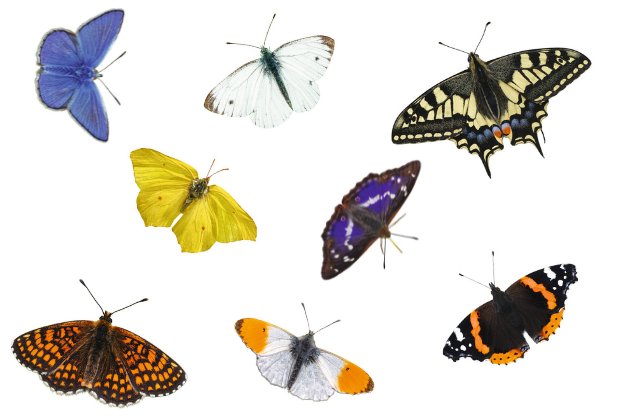
Our list of butterflies
Red Admiral
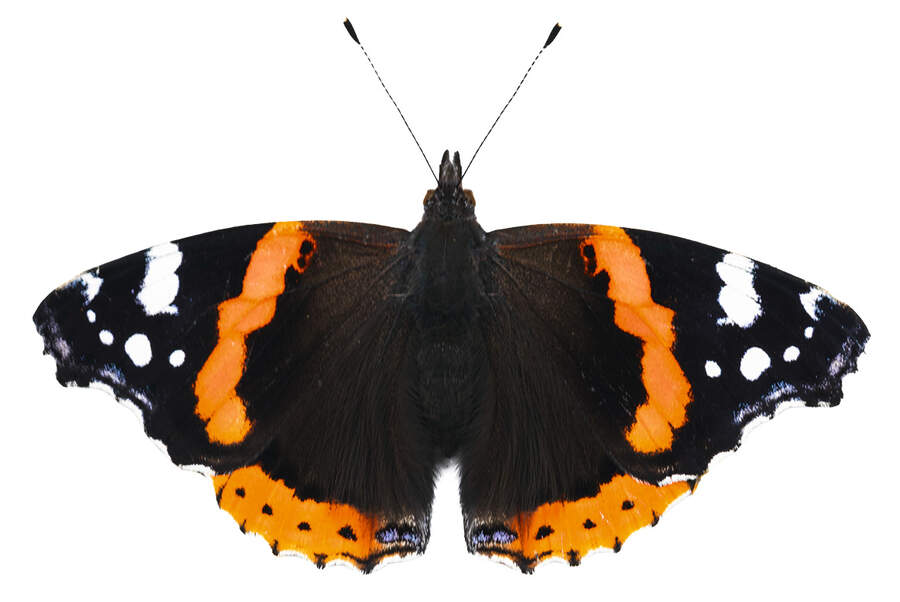
One of our most commonly identified butterflies, this strongly flying species is found year-round across the UK. It migrates here from Europe and North Africa. Males are highly territorial and females lay bright green, ribbed eggs. Wingspan: 67-72mm. Seen: January- December. Found: UK wide
Brimstone
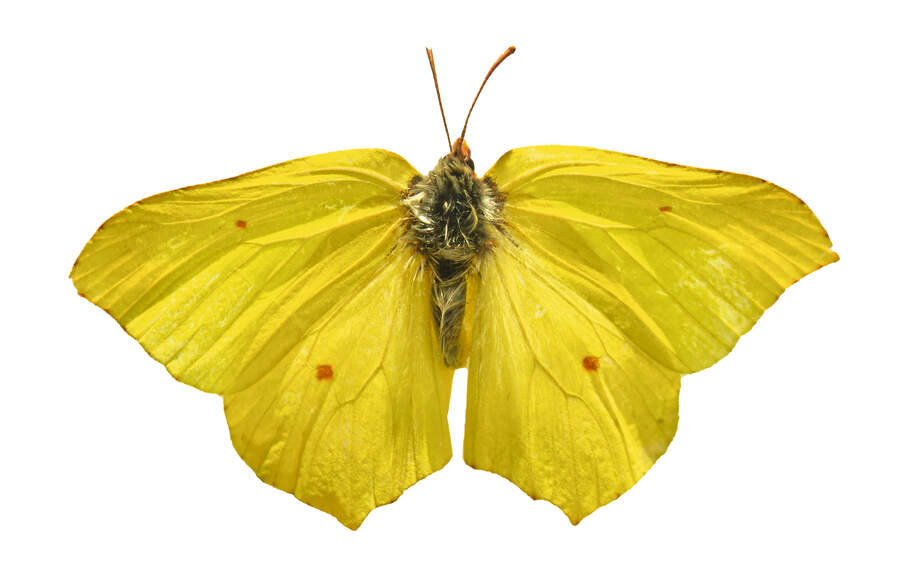
Living for up to a year, the adults make their home in woodland and hedgerows. They have a preference for purple flowers like thistles, teasel and bluebells. Wingspan: 60-74mm. Seen: January- December. Found: England, Wales and Ireland
Orange-Tip
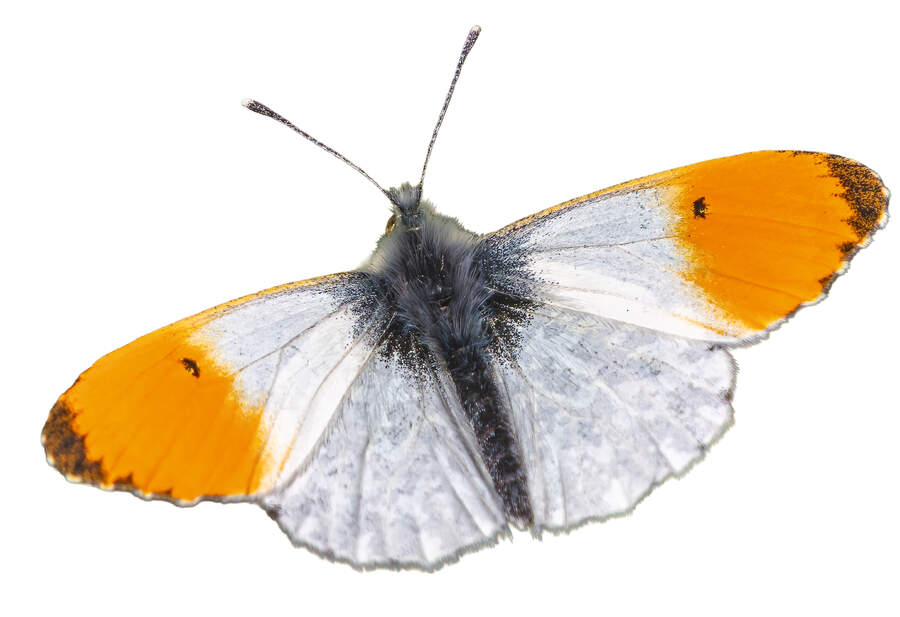
Orange-tips like damp habitats such as water meadows and lay their eggs on garlic mustard. The caterpillars are cannibals that, once hatched, eat other orange-tip eggs nearby. Wingspan: 45-50mm. Seen: April-July Found: UK wide but fewer in northern Scotland
Common Blue
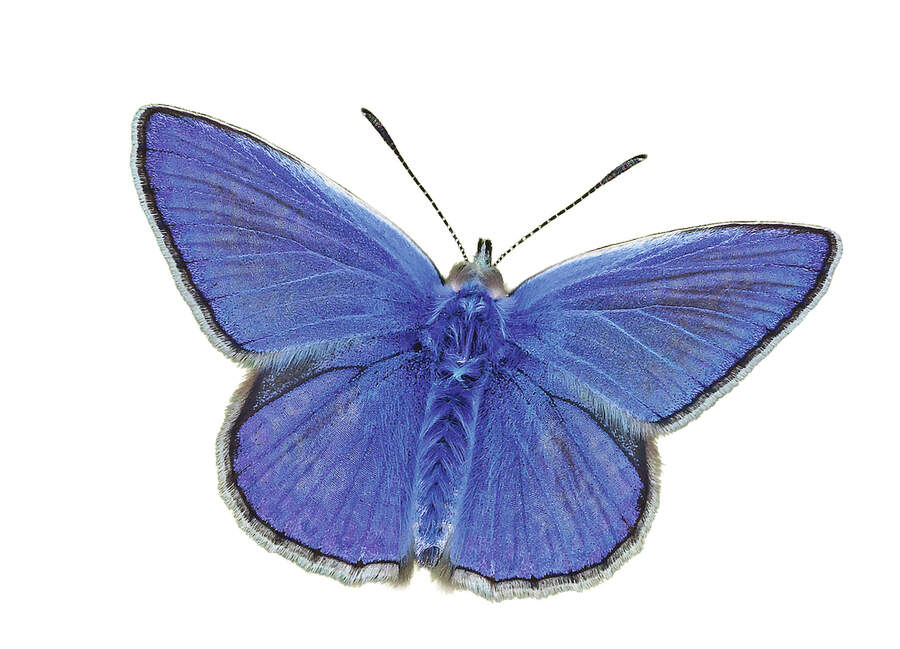
These hardy little butterflies are the UK’s most widespread and found in dunes, quarries and graveyards. They form small colonies in the 10s or 100s, and their caterpillars feed on clover and bird’s foot trefoil. Wingspan: 29-35mm. Seen: April- October. Found: UK wide
Small White (Cabbage Butterfly)
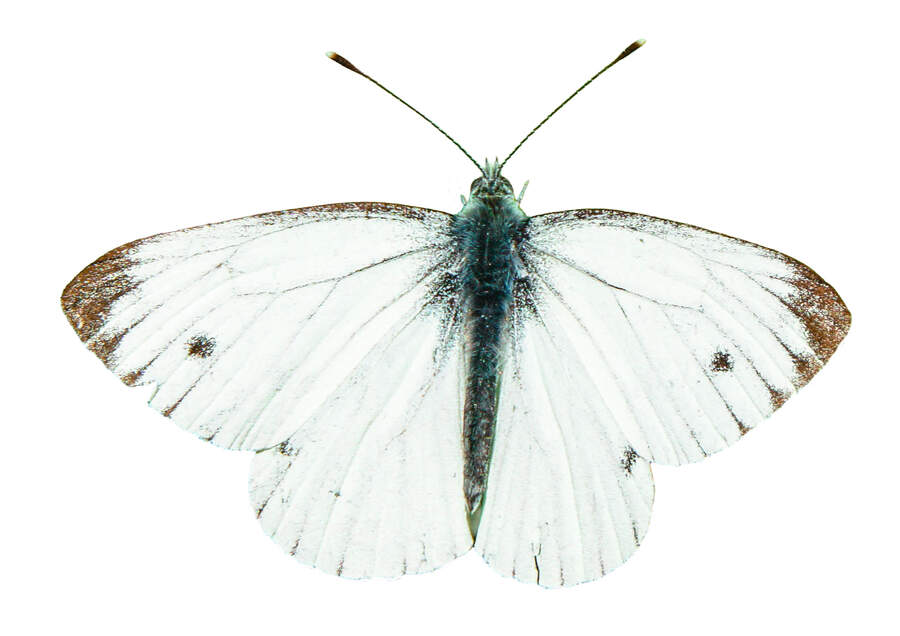
The caterpillars of this species love to munch on plants of the cabbage family, on which they lay their yellow, skittle-shaped eggs. This explains why these brilliant white butterflies are regularly found in the vegetable patch. Wingspan: 38-57mm. Seen: May- October. Found: UK wide
Painted Lady
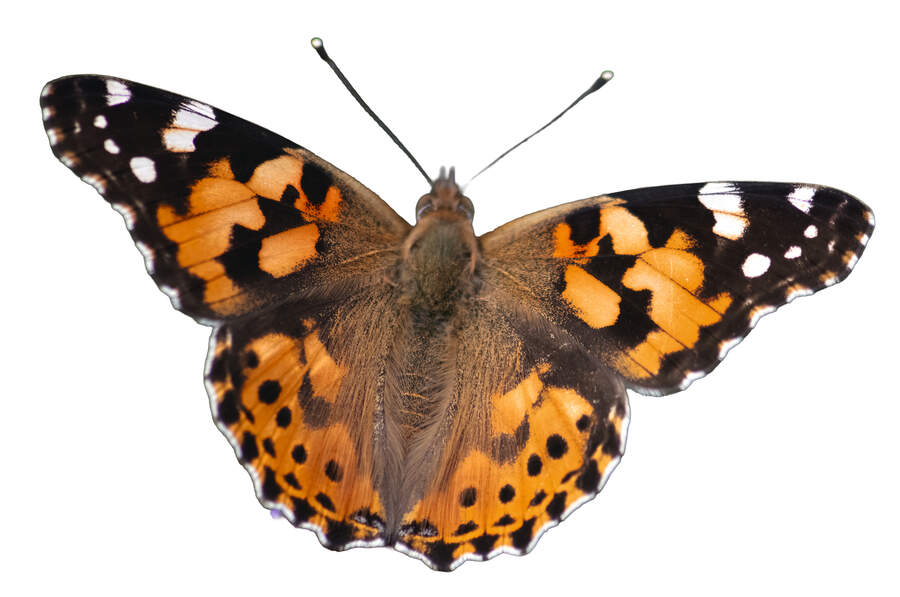
Each year millions of painted ladies arrive in the UK from the deserts of North Africa and as far away as Asia. They can fly 500 metres high at up to 30mph and are the most widespread species of butterfly in the world. Wingspan: 50-75mm. Seen: April- October. Found: UK wide
Heath Fritillary
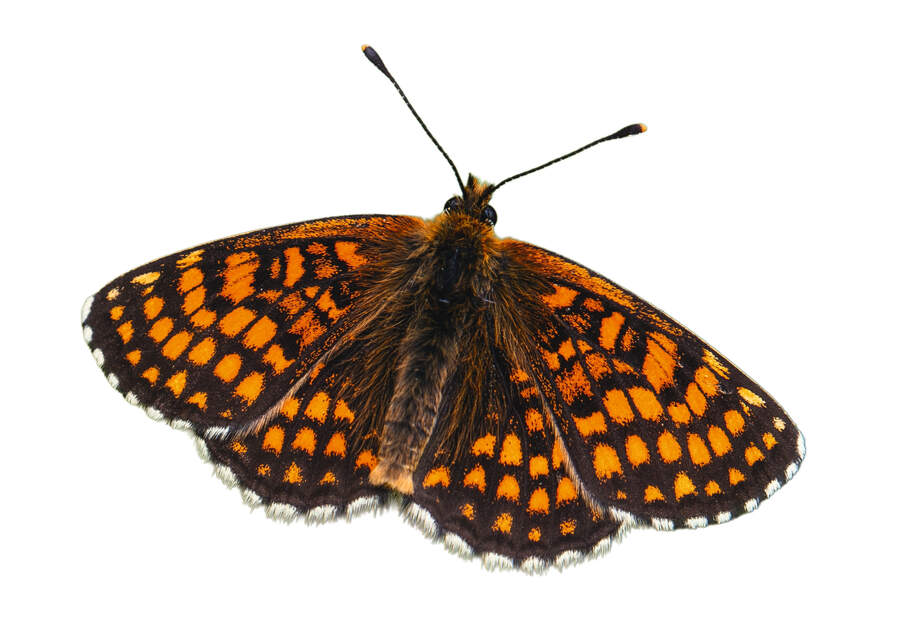
Known as the ‘woodman’s follower’, this extremely rare butterfly has dusky, chequered wings and flies close to the ground. Wingspan: 39-47mm. Seen: May-July Found: Exmoor, Kent, Essex and the West Country
Swallowtail
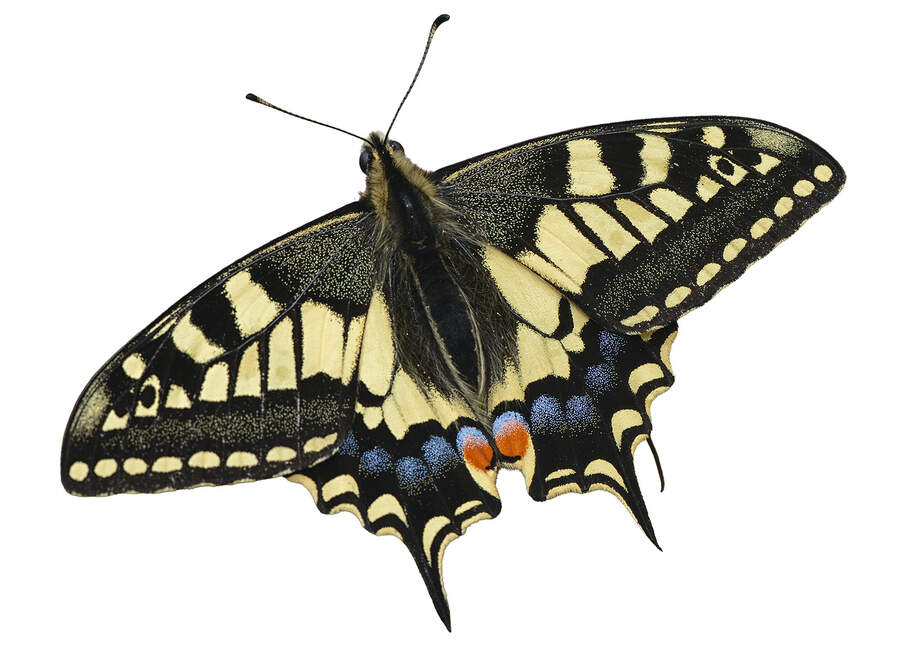
Our largest native butterfly, the swallowtail lives only in open fen near milk-parsley. Its hindwings have tails mimicking antennae to fool predators. Wingspan: 76-93mm. Seen: May-July Found: Norfolk Broads (rarely migrants appear in southern England)
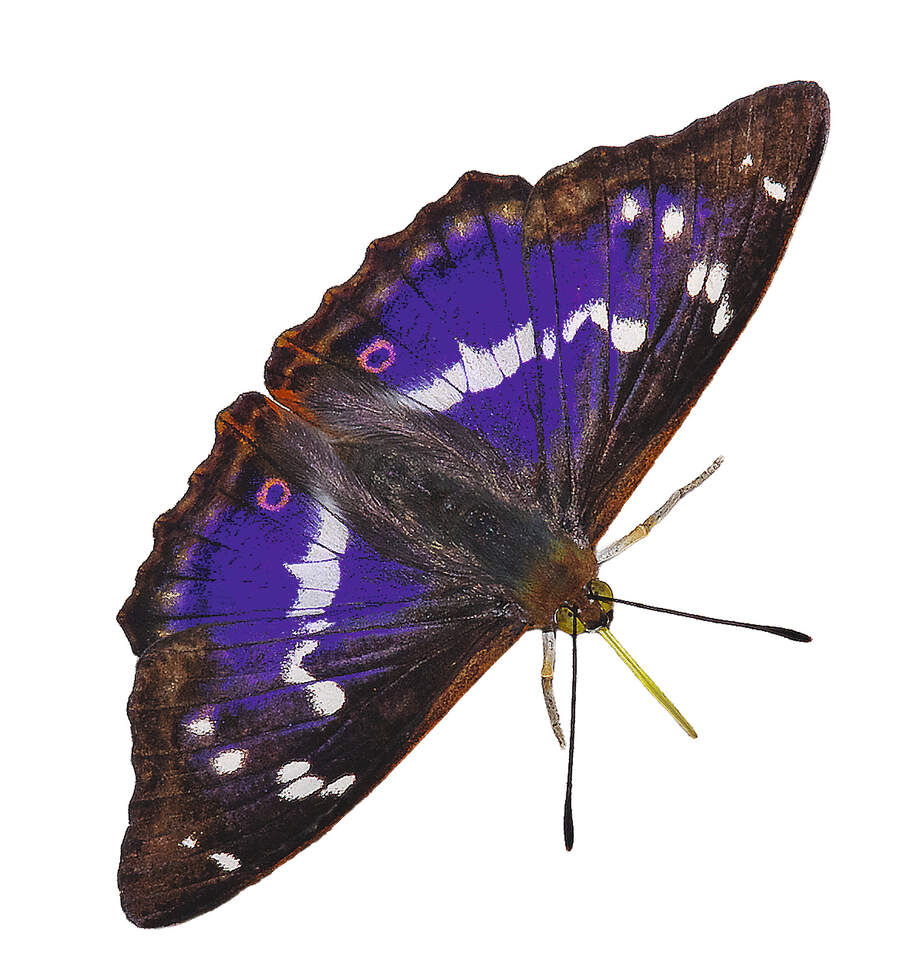
Purple Emperor
 T
T
The UK’s second-largest butterfly is elusive (making it hard to spot). They live mostly in the woodland canopy but will fly down to feed on animal dung. Wingspan: 75-84mm. Seen: July- August. Found: Southern and central England
Discover more with Butterfly Conservation.
This article was originally published in The Field Junior in July 2026, which was a complimentary supplement to The Field magazine. Subscribe now and get your first six issues for £9.99.
Photography Getty