




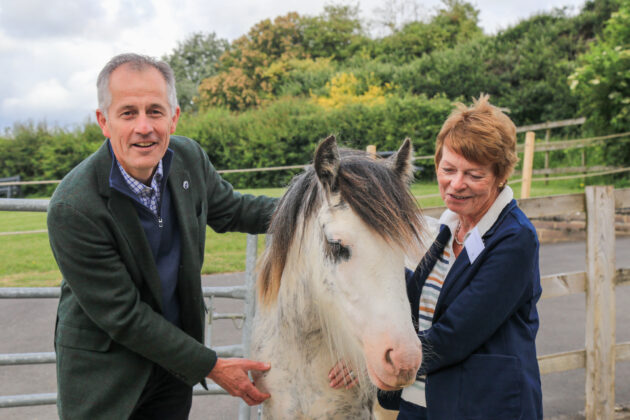
Roly Owers, chief executive of World Horse Welfare, has lived a life inextricably linked with horses, first being placed astride one as a toddler. His early interest led him to compete on ponies with his brothers while growing up, eventually motivating him to train as a vet and join the Household Cavalry: a regiment for whom equine care forms the very heart. "I was drawn to World Horse Welfare through my veterinary work," he explains, "but also through Ada Cole, our founder. Her thinking still guides us: the needs of the horse first, above the needs of the person."
After 18 years with World Horse Welfare, Owers still clearly experiences a powerful emotional connection with horses. He recalls his formative annual trips to the Olympia Horse Show with his grandmother. One such outing, watching John Whitaker’s Ryan’s Son mischievously flick his back legs on the last fence, was seminal in the development of his understanding and appreciation of horses: “It was such a joyful expression of personality,” he says. “It taught me every horse is an individual. You have to listen.”
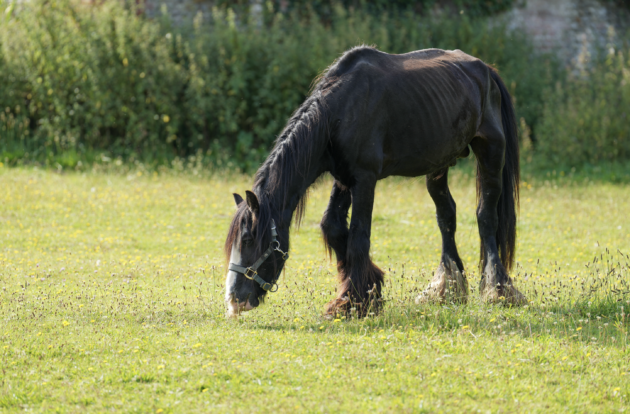
World Horse Welfare believes every horse matters, not just in moments of crisis but every day
Owers is keen to acknowledge the debt we owe horses: how they have shaped British society from the countryside to the battlefield but also how this role has evolved. “Heritage is important but of equal importance is their relevance in the world of today,” he emphasises. “The vast majority of the global horse population depends on people for its welfare, and it’s paramount that we view this stewardship responsibly and sustainably going forward.”
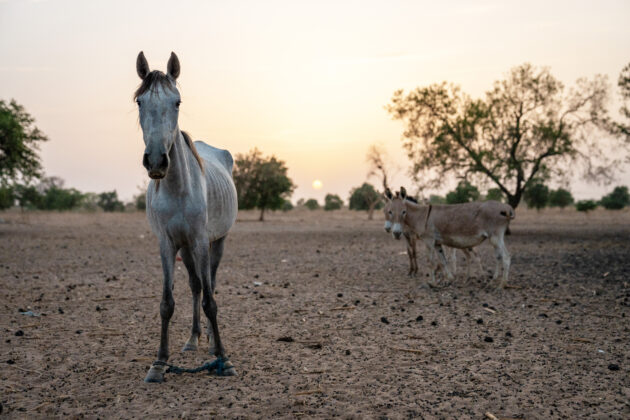
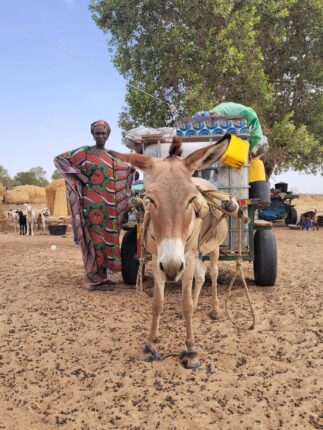
Senegal is just one of 19 countries where World Horse Welfare transformed lives in 2025
Our sense of what horses actually need has shifted too – the growing understanding, for instance, that most would rather be out in a field than in a stable. “Welfare isn’t just protecting against harm,” Owers says. “It’s providing good lives in the small, daily things, not only the dramatic ones.” It’s why the charity works with owners, rather than against them – “conversation, not judgement” as he puts it – in pursuit of a plainly stated vision: a world where every horse is treated with respect, compassion and understanding. That same spirit now runs through World Horse Welfare’s refreshed identity, unveiled for the charity’s centenary year.
The charity’s work tackles every aspect of horse welfare for every kind of horse
For anyone who cares about horses and wants to make a difference but doesn’t know where to start, Owers’ advice is simple: “Visit the website; there is a way for everyone to do their bit, whether that is through signing up for our newsletter, volunteering, campaigning, rehoming or simply advocating for horses and spreading the word.” After a century of vital work, the charity continues to invite those who believe in ensuring the welfare of horses to join its community of like-minded individuals.