




With summer on the horizon, it's the perfect time to drink pink. Elegant, joyful and wonderfully versatile, rosé is on a roll but be wary of paying too much, or too little writes Jonathan Ray
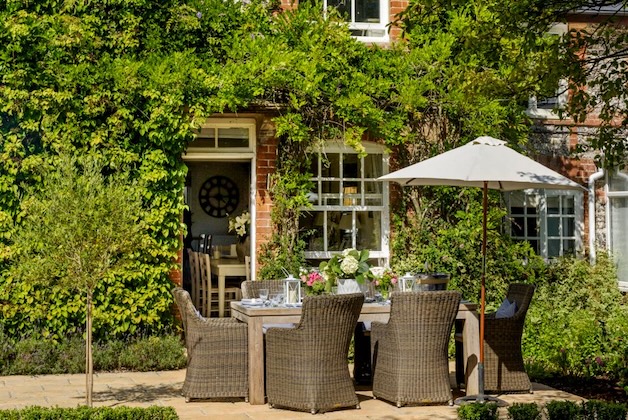
Six of the best rosés

From Chile, a fresh ‘n’ fruity, dry to off-dry Cab/Shiraz rosé that slips down daftly easily.

MIRABEAU LA FOLIE SPARKLING ROSÉ
As uncomplicated and as joyful a pink fizz as you’ll find. Picnic perfect.

SIMPSONS ESTATE RAILWAY HILL ROSÉ
A glorious still Pinot Noir rosé from Kent, bursting with wild strawberries, herbs and citrus.

Class in a glass – creamy, spicy, citrusy and full of gorgeous crushed strawberries.

Classic Provençal rosé in party-enhancing magnums. Never leave home without one.
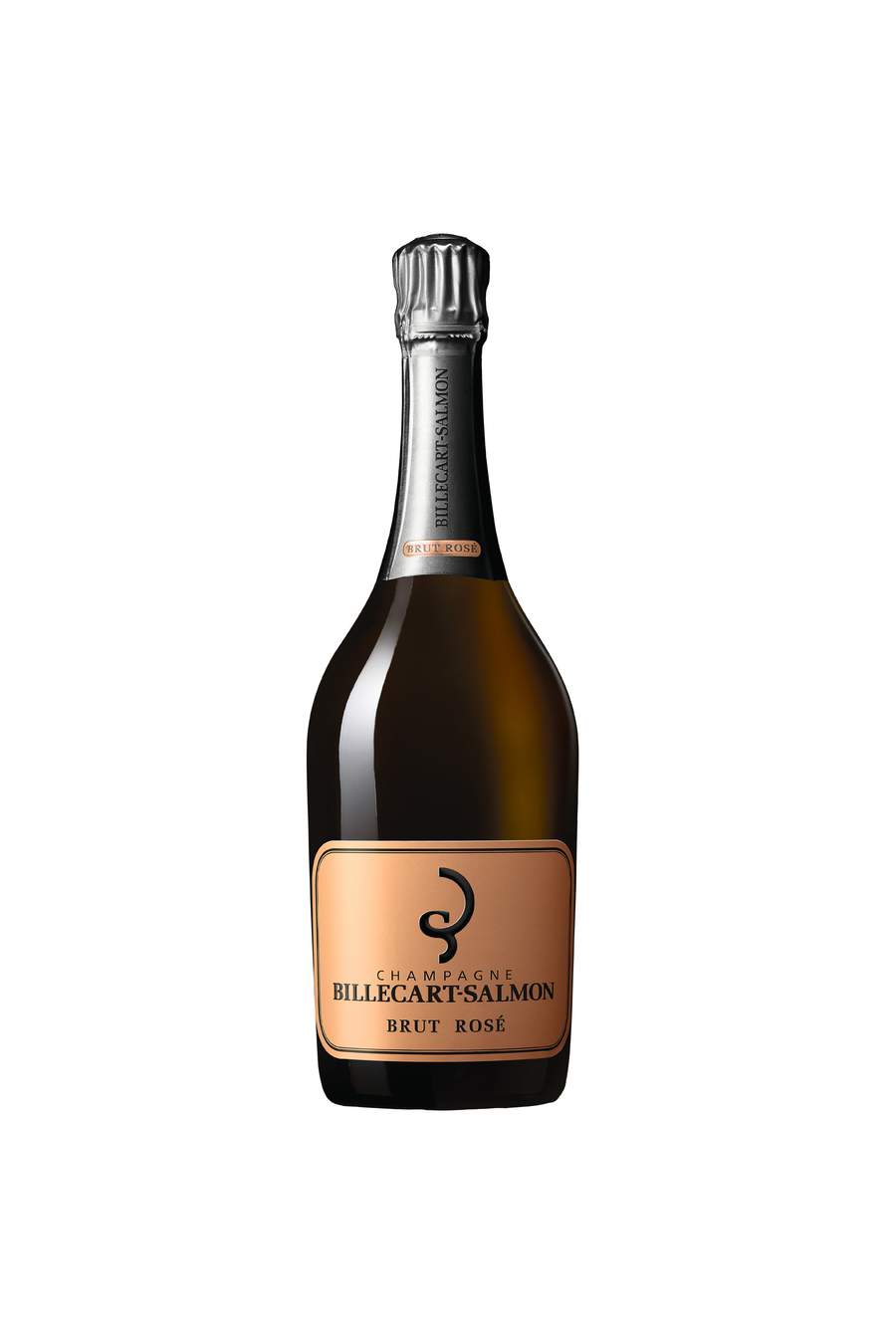
BILLECART-SALMON BRUT ROSÉ NV CHAMPAGNE
A superb pink champagne with character and style for when that boat needs a good push out.
Great, pale pink dry rosés
Rosé is on a roll and while consumption of wine in general is declining, with many misguided millennials now opting for low- or no-alcohol options, sales of rosé continue to rocket. And why not? There are some absolute crackers out there, with quality higher than ever before, and there’s so much variety too.
Where once it was all crappy bubblegum Blush Zinfandel from California or Ribena-coloured Rosé d’Anjou, there are now great, pale pink dry rosés from almost everywhere that makes wine. Provence may be the indisputable King of the Pinks, but I’ve also recently had very tasty examples from Bordeaux, Rioja, Chile, South Africa, New Zealand, Portugal and even good old Blighty.
As you know, rosé is made by pressing red grapes and leaving the resulting clear juice briefly on the skins, allowing it to pick up delicate pink hues before vinifying. The only major wine region that historically was permitted simply to mix red wine with white and stir it about is Champagne. (Read: The Field’s guide to the ultimate point-to-point picnic.)
Rosé grapes
In Provence, most rosé is made from grapes such as Syrah, Cinsault, Mourvèdre and Grenache, whereas in Bordeaux, say, they use the classic claret grapes of Cabernet Sauvignon and Merlot.
The best rosés today have an elegance and a finesse not seen before. The trouble is that they can also have prices to match and the £100-a-bottle barrier has already long been broken. I hesitate even to whisper this, but certain brands are wickedly overpriced.
Some are worryingly cheap though and I suggest a middle path when it comes to choosing your next rosé, and I’ve reflected this in my Six of the Best. You can do better than bargain basement but no need for a mortgage except, perhaps, with the decadent treat that is pink champagne.
The best rosé examples are wonderfully versatile and allow plenty of room for manoeuvre. Having knocked back a classy rosé you can still go to white. Or back to fizz. Or on to red. Heck, you can even cut straight to the chase and go direct to sweet, port or digestif. If in doubt, ask for the palest rosé on the list and ask for it in magnums. Everything tastes better from a magnum and, if nothing else, it’s a bold statement of intent and you won’t have to worry about what to drink next.